Every dog owner knows the magic of a treat – it can turn a stubborn pup into an eager learner almost instantly. While food is undeniably a powerful tool for initial teaching and shaping behaviors, truly effective dog training aims to move beyond constant treat dependency. At All Dog Adventures, we believe in building a foundation of understanding and cooperation that allows your dog to thrive, motivated by more than just what's in your hand. This journey involves skillfully transitioning from primary food rewards to the many "real-life" motivators that exist in your dog's world.
The Foundation of Food Rewards
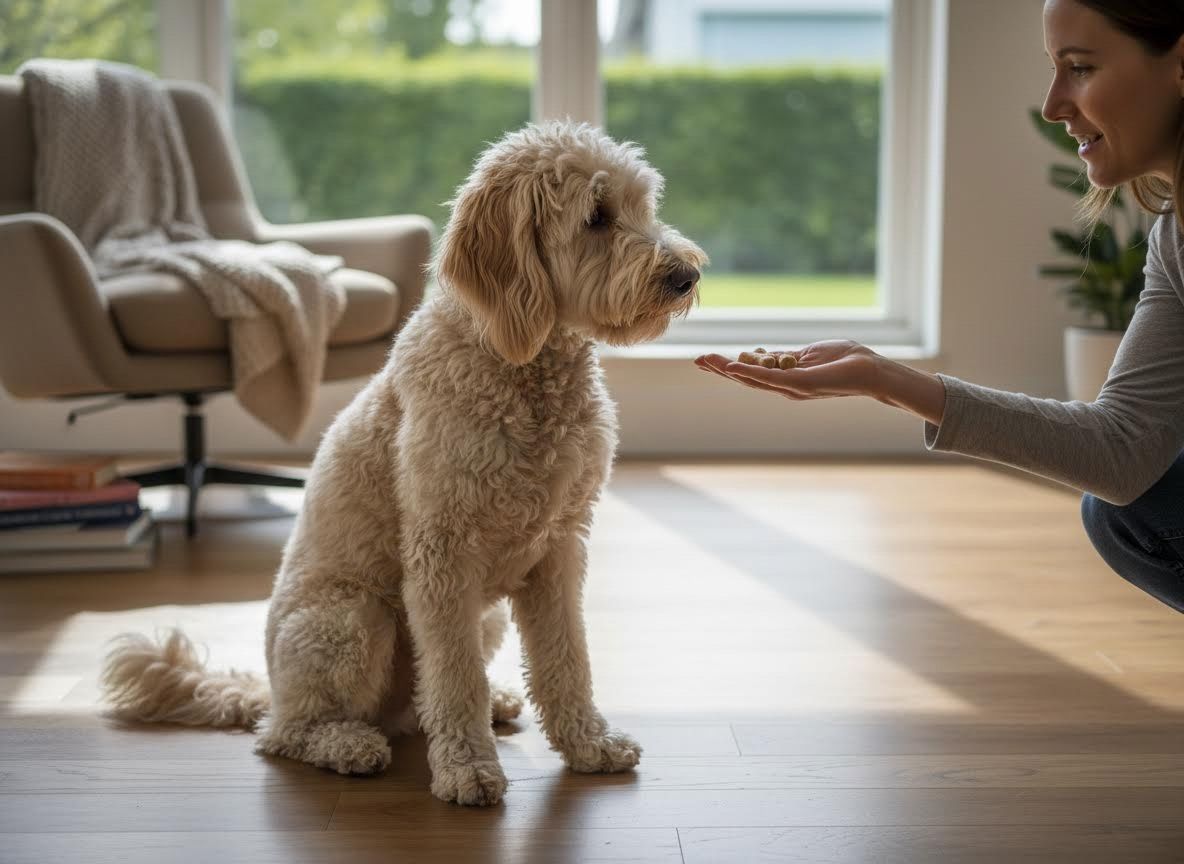
Food rewards are the cornerstone of positive reinforcement dog training for a reason: they are primary motivators that fulfill a basic need. They are clear, immediate, and universally understood by dogs, making them incredibly effective for teaching new behaviors, shaping complex actions, and building a strong positive association with learning. When your dog successfully performs a requested action and immediately receives a delicious treat, they quickly learn to repeat that behavior. This clear communication is essential, especially for puppies and dogs learning new concepts. Using food initially helps create a high rate of reinforcement, which is crucial for establishing strong behavioral patterns before moving on to more advanced stages of training.
Unlocking "Real-Life" Motivators
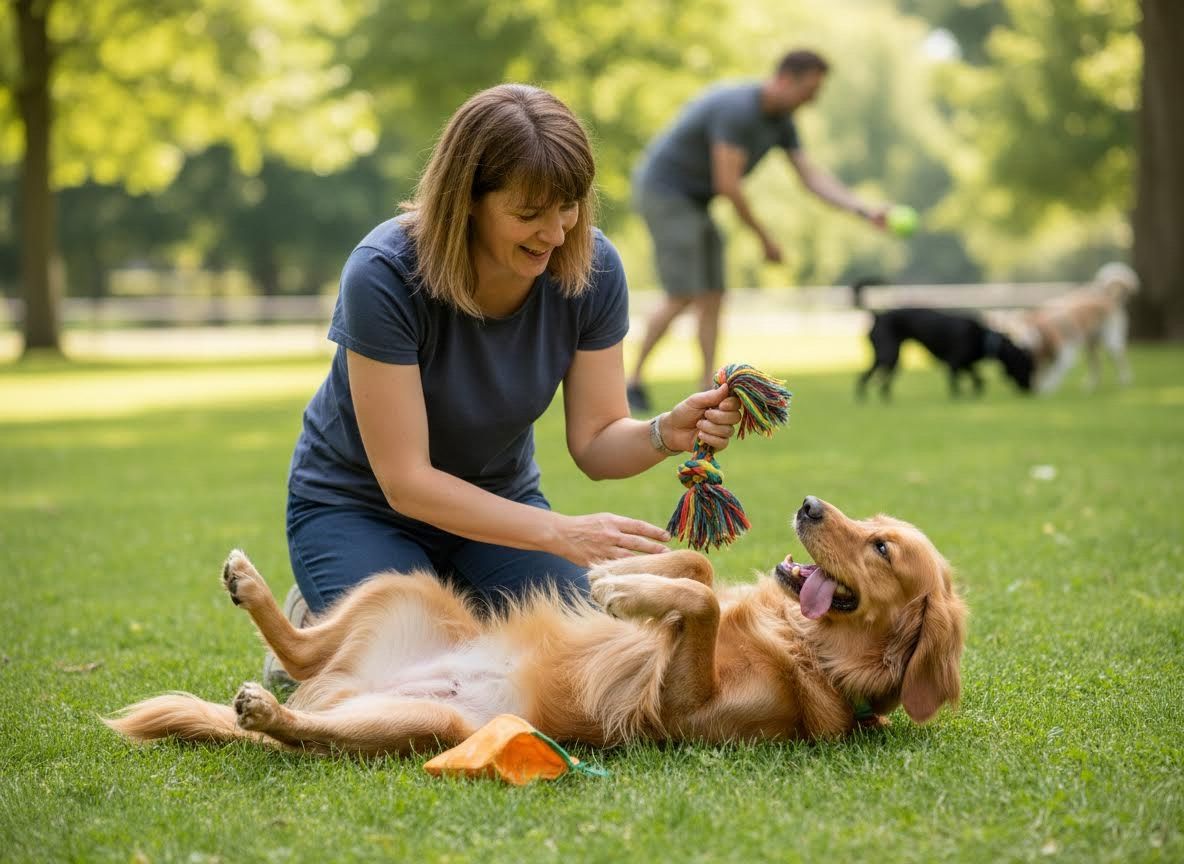
Once a behavior is understood, the next step is to introduce and leverage what we call "real-life" rewards. These are anything your dog naturally finds pleasurable or desirable in their environment, beyond just food. Think about what truly excites your dog: a favorite toy, a game of fetch, a brisk walk, an opportunity to sniff a new scent, a belly rub, or even just access to a preferred area. For social dogs, a few minutes of play or interaction at a doggy daycare can be an incredibly high-value reward. By observing your dog, you can identify these intrinsic motivators and begin to incorporate them into your dog training tips and routine. The key is that these rewards should be tailored to your individual dog's preferences and presented immediately after the desired behavior.
The Art of the Transition
The transition from food to "real-life" rewards isn't about eliminating food entirely, but rather using it more strategically and intermittently. Start by pairing the food reward with a verbal praise or a quick pet, so your dog begins to associate the non-food reward with the positive feeling of the treat. As your dog consistently performs the behavior, you can begin to reduce the frequency of food rewards, replacing them with praise, playtime, or access to desired activities. Introduce variety in your rewards, sometimes using food, sometimes toys, sometimes a chance to play outside. This makes the reward system unpredictable and keeps your dog engaged. Gradually increase the criteria for receiving a food reward, using them for more challenging tasks or for behaviors performed in distracting environments. Consistent practice and patience are essential to help your dog understand that good behavior leads to many different types of positive outcomes.
Building a Lifetime Bond
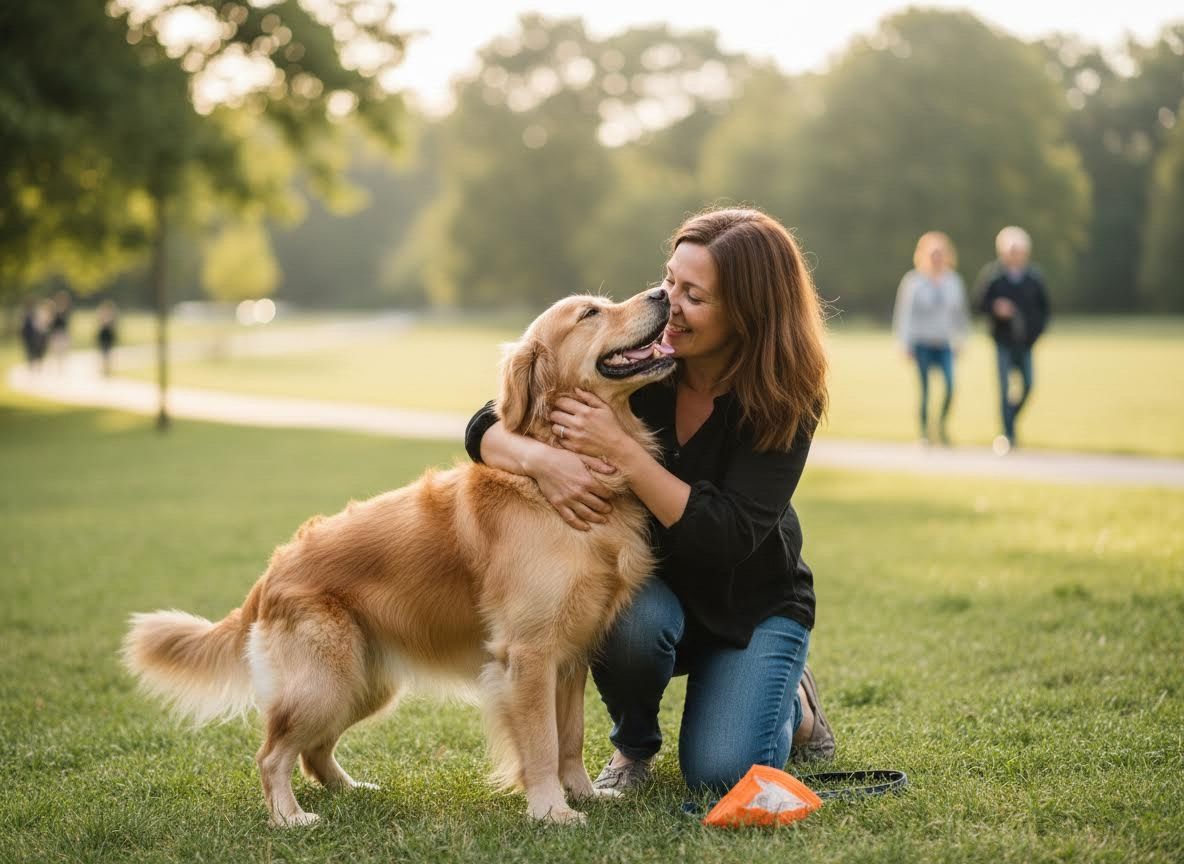
When your training routine relies less on treats and more on shared real-life experiences, the dynamic between you and your pup completely transforms. Your dog stops looking at your hands for a piece of kibble and starts looking at your face for connection, guidance, and approval. This transition fosters true mutual trust and clear communication. By unlocking environmental rewards, you aren't just teaching obedience commands—you are building a deep, lifetime bond rooted in cooperation. Ultimately, this turns everyday life into a seamless partnership, making every walk, trip to the park, and quiet moment at home much more rewarding for both of you.
Ready to Move Beyond the Treat Pouch?
If you're ready to bridge the gap between basic commands and real-world reliability, we are here to help. At All Dog Adventures, our expert trainers specialize in "training both ends of the leash," giving you the tools and confidence needed to master real-life motivators. Whether you are working with an eager new puppy or trying to phase out treats with an adult dog, we design our programs to set your pack up for long-term success.