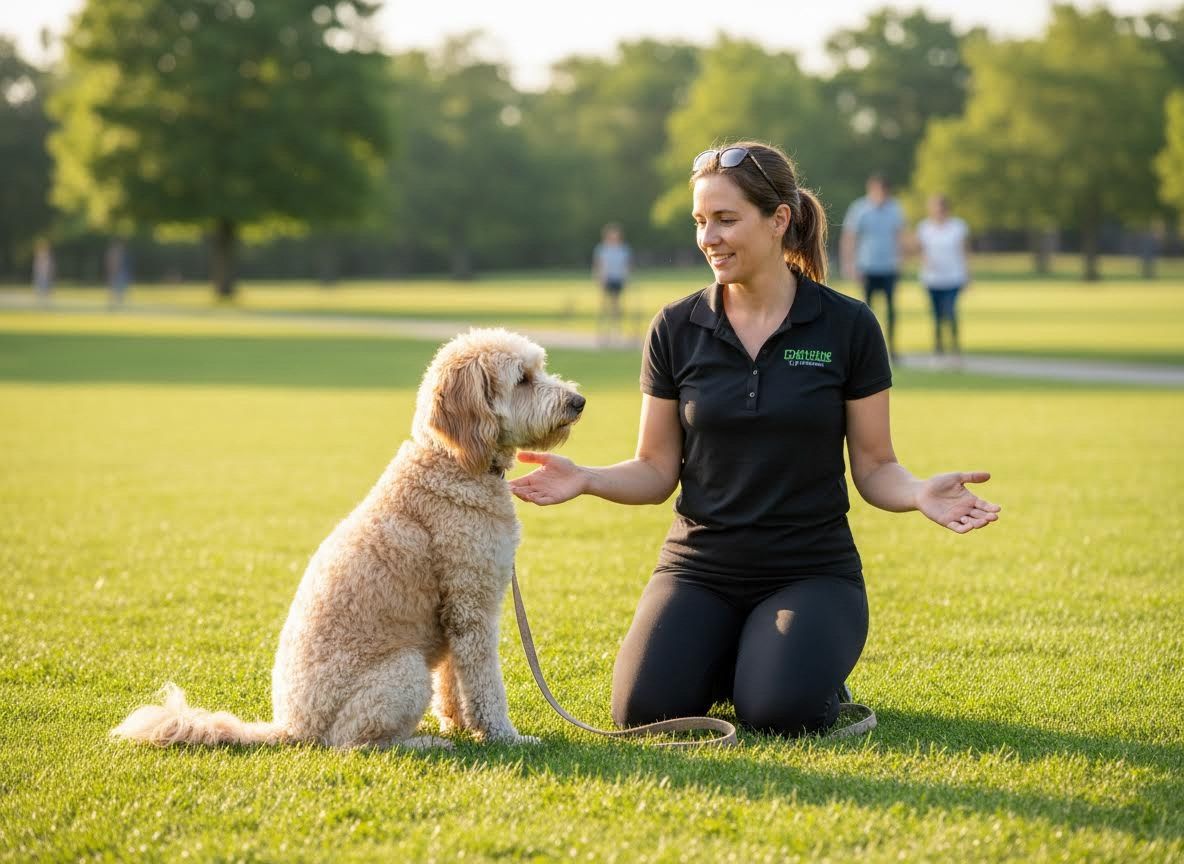
At All Dog Adventures, we understand that effective communication is the cornerstone of a strong bond with your canine companion. While verbal commands are often our primary focus, our dogs are constantly reading a more subtle language: our body language. This non-verbal dialogue profoundly influences how your dog interprets your intentions and reacts to training. Understanding and consciously using your physical presence can dramatically enhance your dog's learning and reinforce your connection. Let's explore how your every movement is rewriting your dog’s training.
The Canine Sixth Sense: Reading Our Cues
Dogs are masters of non-verbal communication, a skill honed over millennia of cohabitation with humans and their own pack dynamics. Unlike us, who often rely heavily on spoken words, dogs predominantly interpret the world through visual and olfactory cues, with body language being a critical component. They observe everything: your posture, the tension in your shoulders, the direction of your gaze, and even the subtle shifts in your weight. This innate ability means that what you do often speaks louder than what you say, profoundly impacting how your dog perceives commands, threats, or invitations.
Common Body Language Blunders and Their Impact
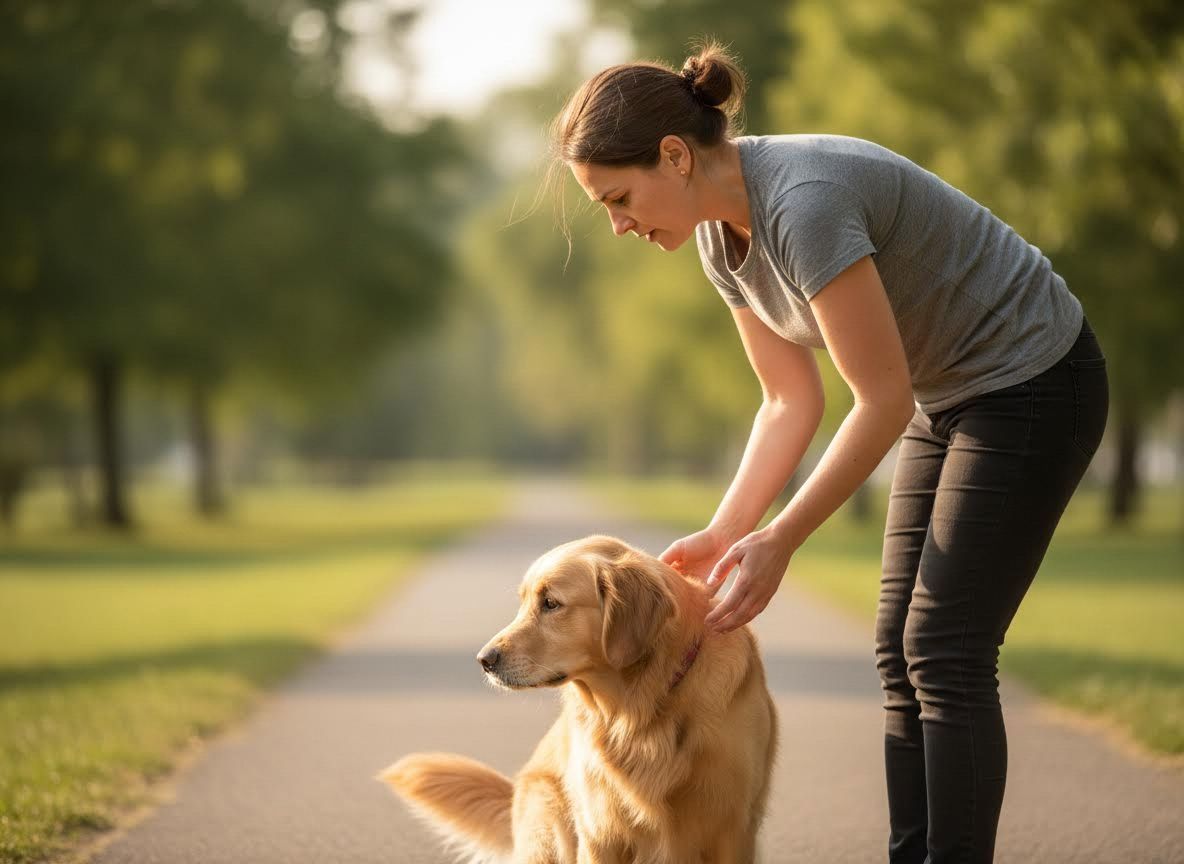
Even with the best intentions, our natural human body language can inadvertently send confusing or counterproductive signals to our dogs during training. For instance, leaning over a dog, which we might do to offer comfort or give a command, can be perceived as an intimidating gesture, causing them to cower or become anxious. A direct, unwavering stare, common in human conversation, can be interpreted by a dog as a challenge or threat. Inconsistent hand signals or a tense, hurried posture can also lead to frustration or disengagement, hindering effective dog training. Understanding these common mistakes is the first step in refining your communication.
Harnessing Positive Body Language for Success
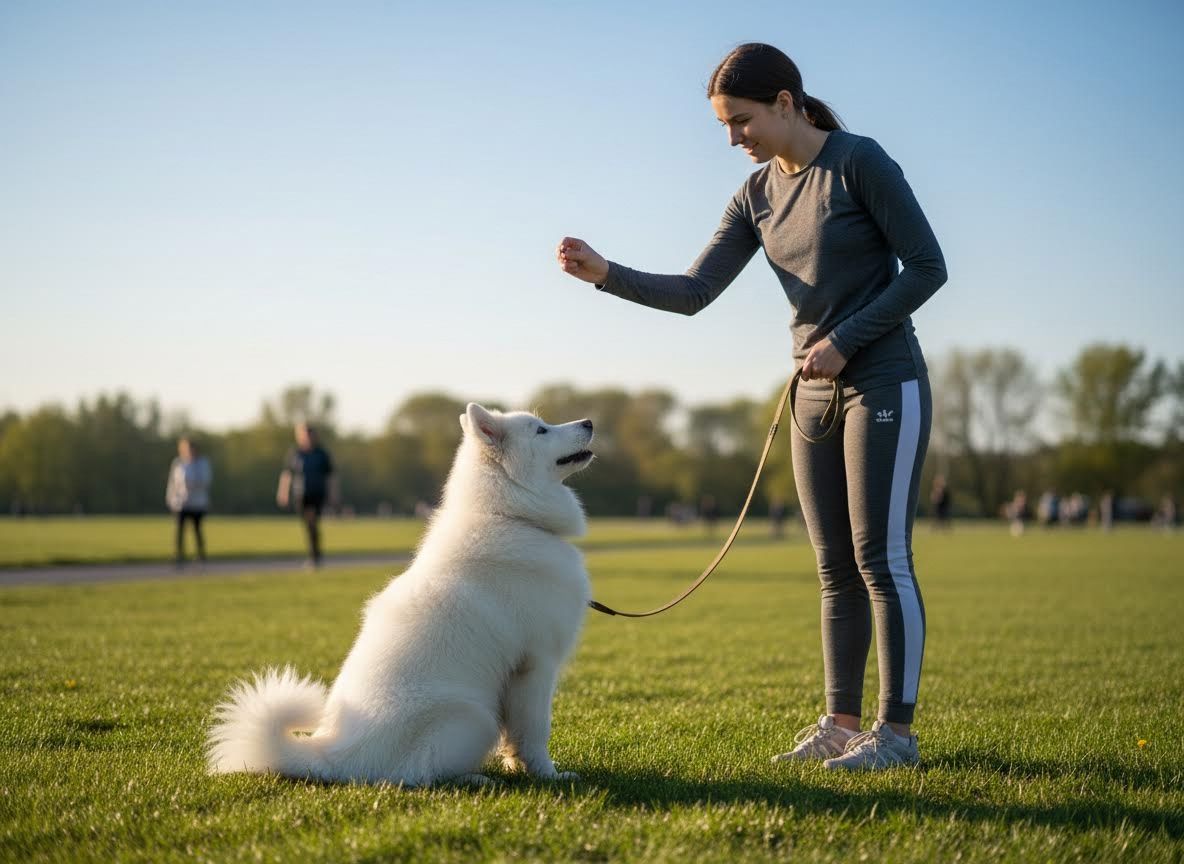
To truly excel in dog training, learning to align your body language with your verbal commands is essential. Adopting an open, relaxed posture can invite your dog to engage confidently. Using clear, consistent hand signals, paired with verbal cues, provides unambiguous direction. Maintaining a soft, indirect gaze can convey friendliness without intimidation. Incorporate these dog training tips into your routine: approach your dog at their level, use calm, sweeping hand motions, and remember that a relaxed body often leads to a relaxed dog. This conscious approach not only makes training more effective but also strengthens the trust and understanding between you and your canine friend.
Beyond Commands: Daily Interactions and Your Dog’s World
The influence of your body language extends far beyond formal dog training sessions, impacting every aspect of your dog’s daily life. From greetings to playtime, and even during visits to places like doggy daycare or when preparing for dog training and boarding, your non-verbal cues set the tone. A calm, confident demeanor can reassure a nervous pup, while an anxious posture might inadvertently heighten their stress. Even during activities like professional grooming, a handler's steady, reassuring presence communicated through their body can make all the difference in a dog's comfort and cooperation. Being mindful of your physical presence consistently fosters a secure and predictable environment for your dog.
At All Dog Adventures, we know that dog training is a two-way street. If you feel like your dog is getting mixed signals or you want to perfect your own handling skills, we are here to help. Our expert trainers focus on teaching you how to communicate clearly so your dog can succeed. Contact our Richmond team today to join our next training class and start mastering the silent conversation!