
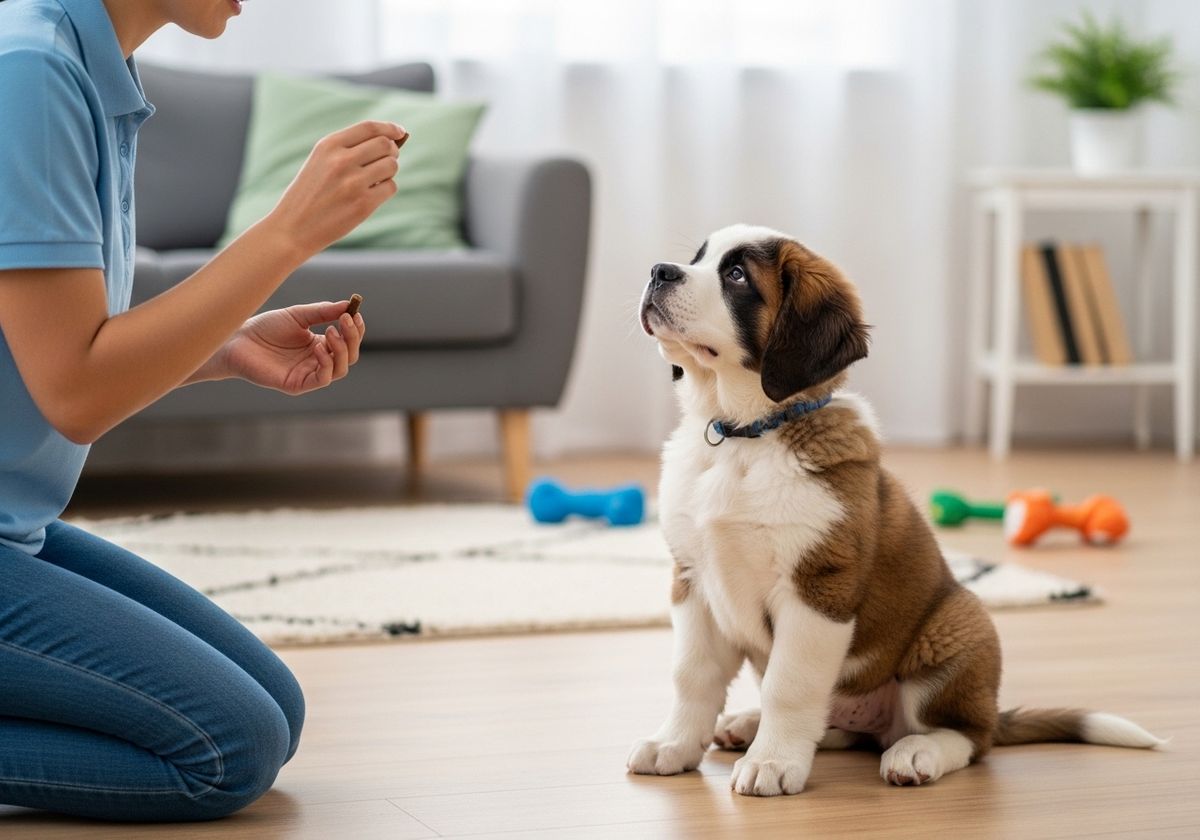
Bringing a new puppy home is one of life’s greatest joys, but it also marks the beginning of a whirlwind of sharp teeth, sleepless nights, and "accidents" on the rug. The first few months of a puppy's life are the most critical for building a foundation of trust and good behavior. At All Dog Adventures, we’ve been helping Richmond, VA, families navigate the wild world of puppyhood since 1996. We know that early training is about more than just "sit" and "stay"—it's about socialization and clear communication. Here are our expert tips to help you survive the puppy phase and set your new best friend up for a lifetime of success:
Start Early
The earlier you begin training, the better. Puppies can start learning basic commands as young as 8 weeks old. Early socialization and positive experiences are crucial for their development. Expose your puppy to different sights, sounds, people, and other dogs in a controlled and safe environment.
Positive Reinforcement is Key
Forget about punishment! Positive reinforcement is the most effective way to train a puppy. Use treats, praise, or toys to reward desired behaviors. When your puppy does something right, immediately mark the behavior with a word like "yes" or "good," and then give them a reward.
Basic Commands
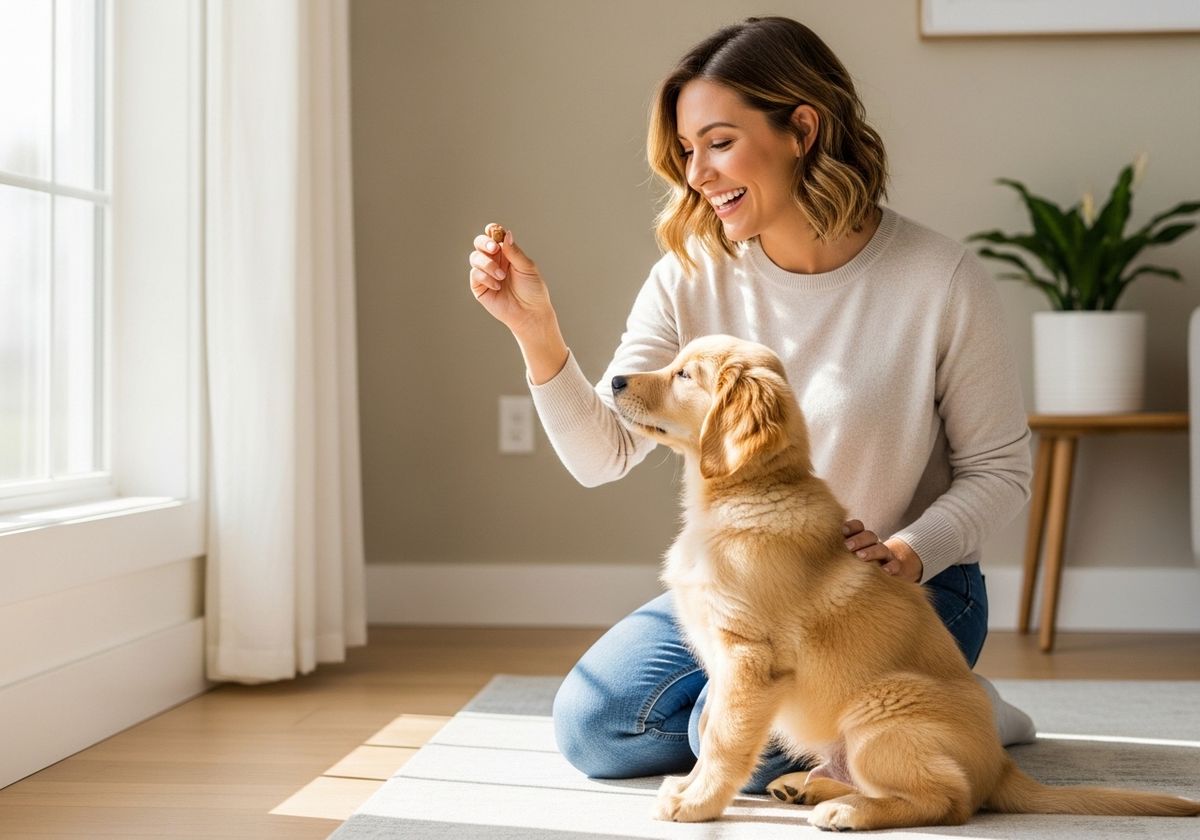
Start with the basics: sit, stay, come, down, and leave it. Keep training sessions short and fun, no more than 10-15 minutes at a time. Consistency is key! Practice these commands daily in different locations to help your puppy generalize their learning.
Crate Training
A crate can be a valuable tool for housetraining and providing your puppy with a safe and secure den. Introduce the crate gradually, making it a positive experience with treats and toys. Never use the crate as punishment.
Housetraining
Establish a consistent potty schedule. Take your puppy out frequently, especially after waking up, eating, and playing. Reward them immediately when they eliminate outside. Clean up accidents thoroughly to eliminate odors that might attract them back to the same spot.
Addressing Common Issues
Nipping and Biting: Puppies explore the world with their mouths. Redirect nipping behavior by offering a chew toy instead.
Excessive Barking: Determine the cause of the barking (e.g., boredom, anxiety) and address it accordingly. Provide plenty of exercise and mental stimulation.
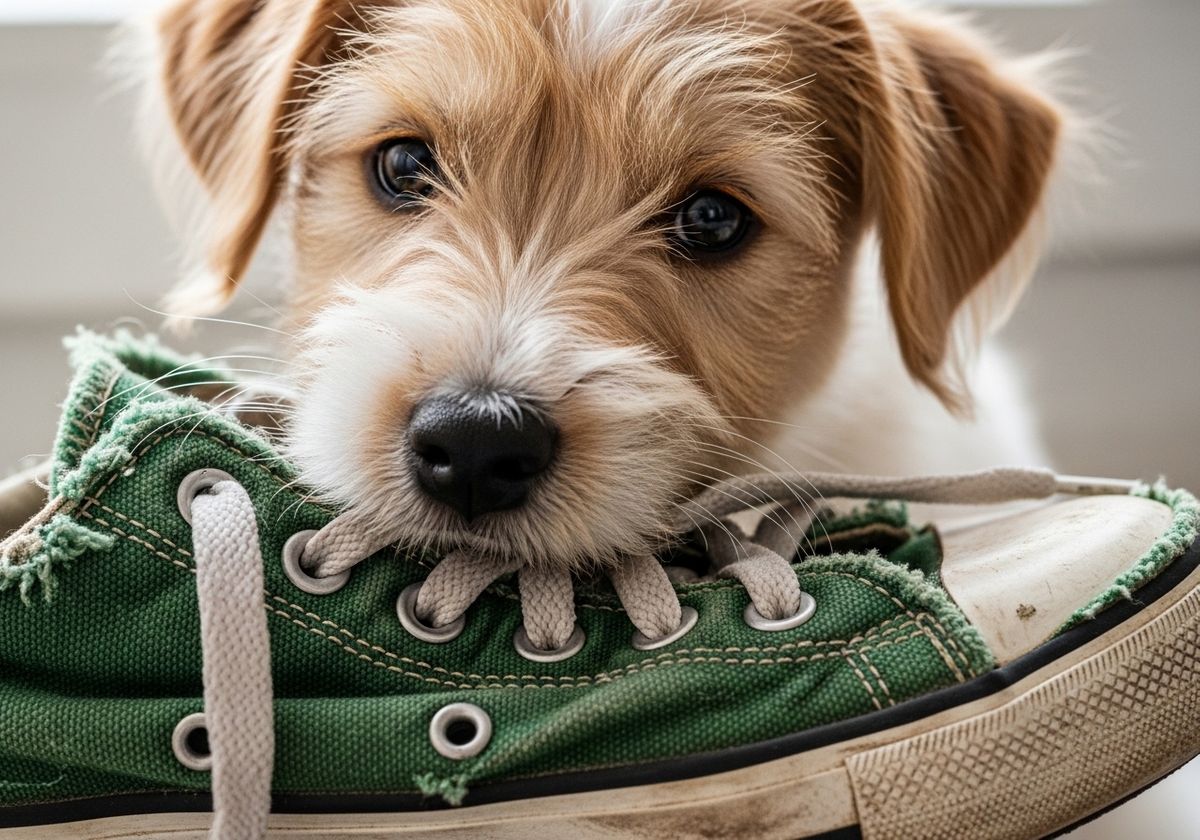
Chewing: Puppies chew to relieve teething pain and explore their environment. Provide plenty of appropriate chew toys and keep valuable items out of reach.
The Value of Professional Support
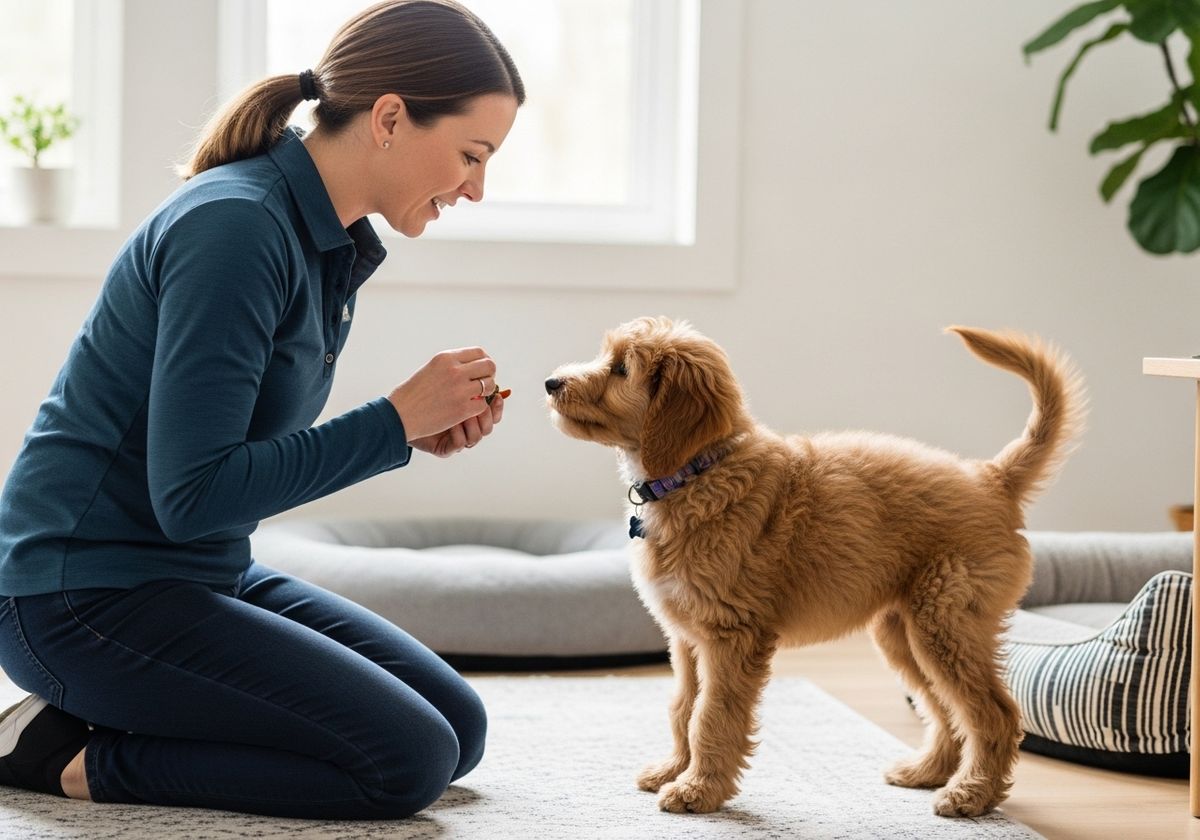
While training at home is a great start, professional guidance can make the difference between a good puppy and a great one. At All Dog Adventures, we offer a variety of programs to suit your specific needs and schedule. Our group puppy classes provide the perfect environment for controlled socialization and foundational skills alongside other local pups. If you’re looking for more personalized attention or have specific household challenges to address, our private training sessions offer one-on-one coaching tailored specifically to your family's goals.
Your Partner in Every Adventure
Training, grooming, and care are more than just items on a checklist—they are the building blocks of a happy life with your dog. At All Dog Adventures, we know that every dog learns differently and every owner has unique goals, which is why we’ve dedicated decades to perfecting our personalized, positive-reinforcement approach. Whether you’re here for a puppy’s first class or a senior’s spa day, we are committed to strengthening your bond and ensuring your pup feels right at home. Because at the end of the day, we’re not just a facility—we're a place where every dog is family.