
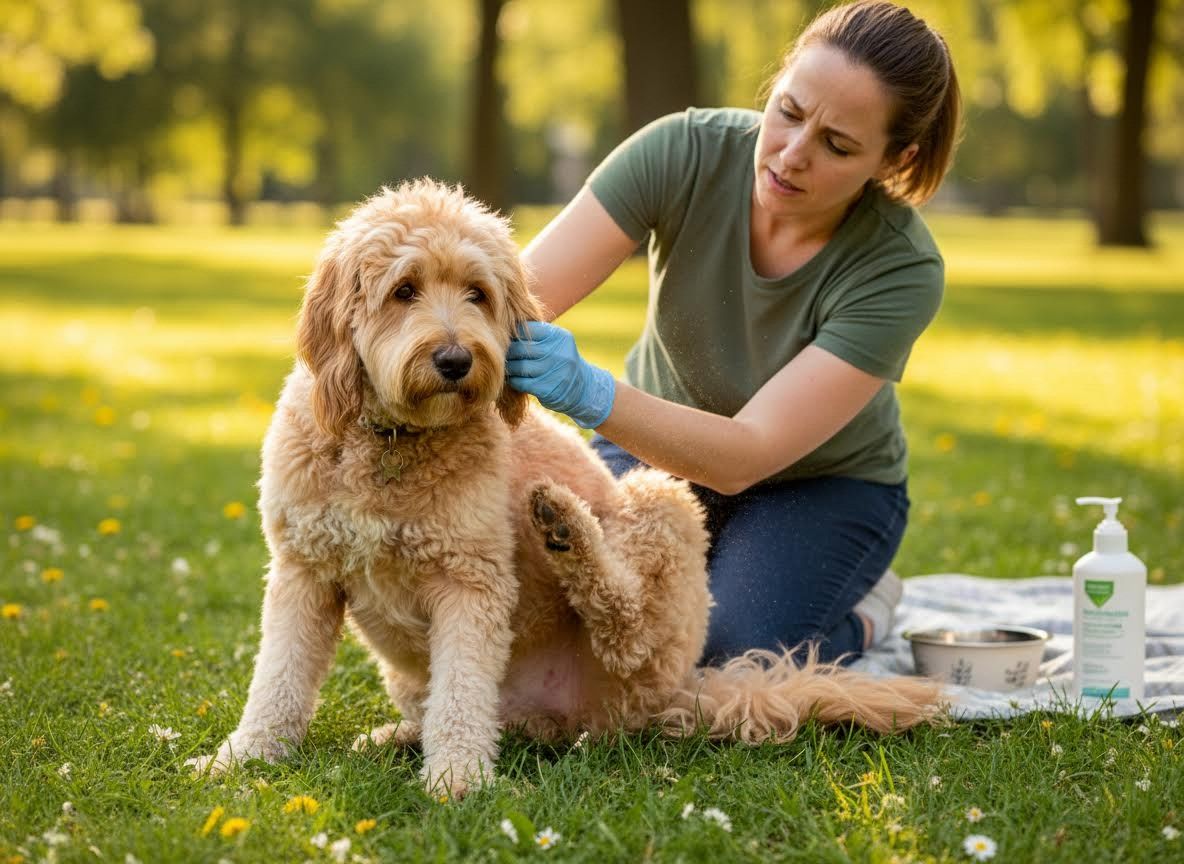
Summer often brings with it the joy of outdoor adventures, but for many of our beloved canine companions, it also ushers in the discomfort of seasonal skin allergies. These irritations can turn a playful pup into a perpetually scratching one, impacting their overall well-being. At All Dog Adventures, we've spent decades understanding the nuanced needs of dogs and their families, operating with the philosophy that every dog is family, and that includes ensuring their skin health.
Recognizing the Symptoms of Canine Skin Allergies
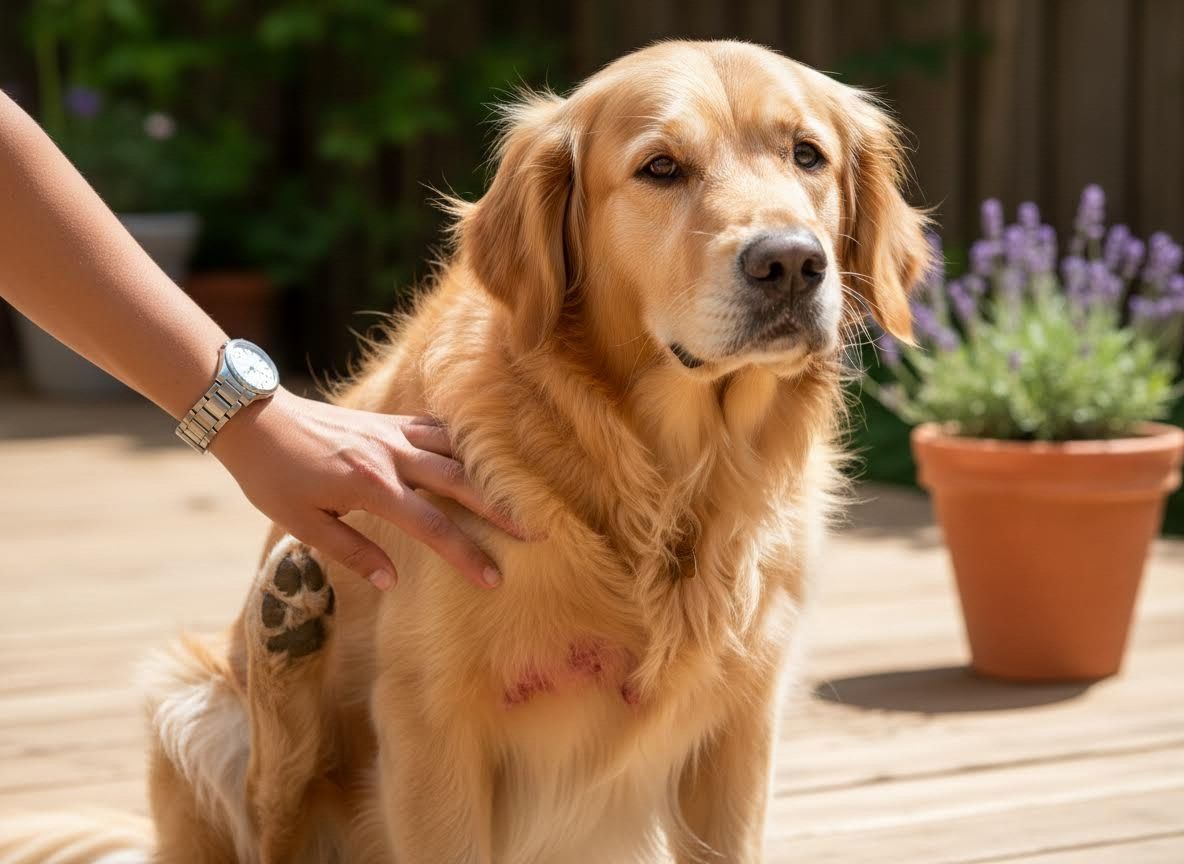
Identifying summer skin allergies early is crucial for providing prompt relief. Dogs commonly express their discomfort through excessive scratching, licking, or chewing, particularly on their paws, flanks, or around their ears. You might also notice redness, inflammation, or the development of "hot spots" – moist, red, irritated lesions that can appear suddenly and expand quickly. Hair loss, scabs, and recurring ear infections can also be tell-tale signs of an underlying allergic reaction. Early detection is key to preventing minor irritations from escalating into more serious conditions.
Common Summer Allergy Culprits
During the warmer months, several environmental factors can trigger allergic reactions in sensitive dogs. The most common culprits include various types of pollen from trees, grasses, and weeds, which can be inhaled or absorbed through the skin. Flea allergy dermatitis is another prevalent issue; even a single flea bite can cause an intense, widespread allergic reaction in a susceptible dog. Other potential irritants include dust mites, mold spores, and certain plants or lawn chemicals that dogs may come into contact with during their outdoor escapades. Understanding these triggers is the first step toward effective management.
Practical Strategies for Relief and Prevention
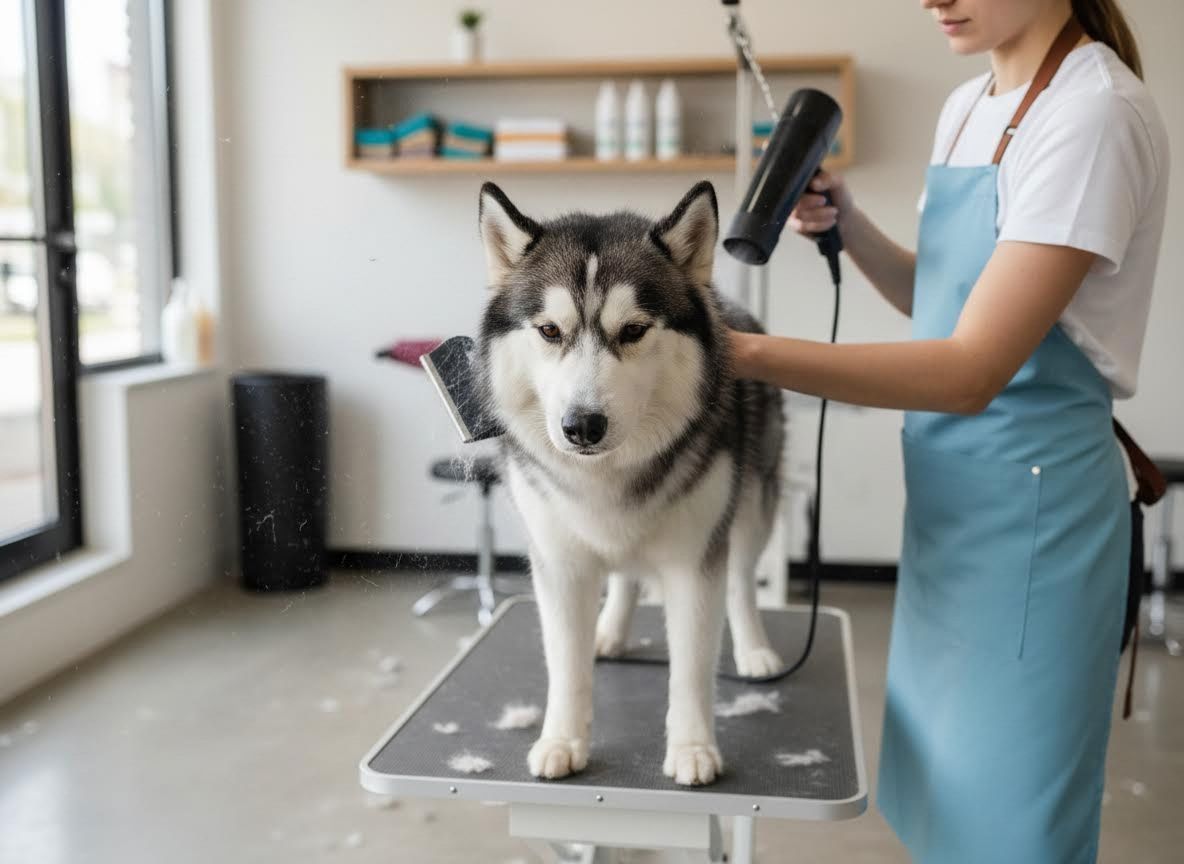
Managing your dog’s summer skin allergies involves a multi-faceted approach. Regular bathing with a veterinarian-recommended hypoallergenic shampoo can help wash away environmental allergens from their coat and soothe irritated skin. Many pet parents find that consistent professional grooming for dogs is invaluable, as it ensures thorough cleaning and allows groomers to spot potential skin issues early. After outdoor activities, wiping down your dog's paws and coat with a damp cloth can remove pollen and other irritants. Maintaining a clean home environment, with regular vacuuming and washing of bedding, also reduces allergen exposure. Year-round flea prevention is essential, regardless of whether your dog shows signs of fleas.
Holistic Care and When to Consult a Professional
Beyond at-home care, a holistic approach to your dog's well-being can support their immune system and overall skin health. Ensure they are on a high-quality diet and consider discussing supplements with your veterinarian if appropriate. A dog who is well-exercised and mentally stimulated, perhaps through engaging activities like those offered in doggy daycare, tends to manage stress better, which can sometimes exacerbate skin issues. While there are no specific dog training tips for allergies, a calm, well-adjusted dog is often easier to manage during treatment. For persistent or severe symptoms, always consult your veterinarian. They can accurately diagnose the allergy, recommend specific treatments, and explore options like allergy testing or medication.
Help Your Pup Beat the Summer Itch
Summer should be about backyard games and outdoor adventures, not constant scratching! If your dog is struggling with seasonal allergies, a professional grooming treatment might be exactly what they need to wash away pesky pollen and soothe irritated skin. From comforting baths to keeping them happily distracted with an energy-burning day at daycare, we are here to support your pup's health from nose to tail.